

SEPAR
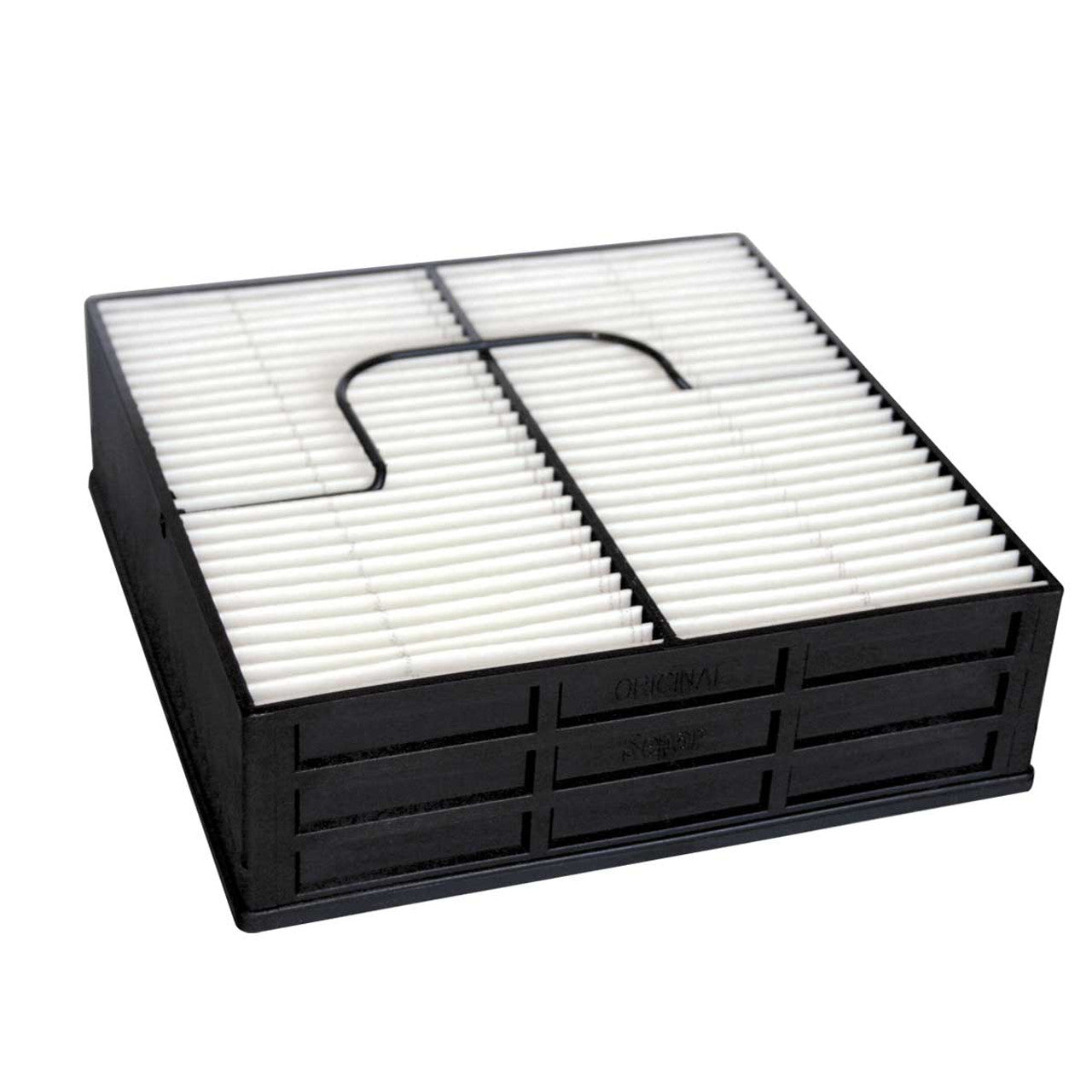
ELEMENT WATER SEPAR 04030
ELEMENT WATER SEPAR 04030
Couldn't load pickup availability
The SEPAR 04030 is a high-capacity replacement filter element specifically engineered for the SWK-2000/40 series fuel water separators. Designed for large-scale industrial engines, power generation facilities, and high-flow marine applications, this element serves as the final, critical filtration stage within the SEPAR 5-stage centrifugal separation system.
Technical Specifications
| Feature | Specification |
|---|---|
| Compatibility | Separ SWK-2000/40 series (including /40/M and /40/U variants) |
| Dimensions (Individual) | 7 11/64" x 7 11/64" x 2" (approx. 182mm x 182mm x 51mm) |
| Micron Rating | 30 Microns (Standard) |
| Flow Rate Capacity | Optimized for high-flow systems up to 40 L/min (2,400 L/h) |
| Media Material | High-grade resin-impregnated pleated cellulose |
Core Functional Features
- Maximum Surface Area: The 04030 element is designed with a significantly larger pleat structure to maintain minimal suction resistance (pressure drop) even at flow rates up to 2,400 liters per hour.
- Advanced Water Repellency: Utilizing a hydrophobic, resin-impregnated media, the element effectively blocks the final 99.9% of water that may bypass the initial centrifugal stages, meeting strict DIN ISO 4020 filtration standards.
- Engine Protection: By capturing fine particulates that can cause abrasive wear to high-pressure common rail (HPCR) systems, the 04030 helps extend the life of injectors and fuel pumps in large industrial diesel engines.
- Backflush Performance: The structural integrity of the filter media and casing is built to withstand the force of the SEPAR backflushing process, allowing for on-site maintenance that can extend the service interval between element changes.
Maintenance Standards
For critical infrastructure and high-output engines, it is essential to monitor the vacuum gauge on the SWK-2000/40 housing. An increase in vacuum suction indicates that the element is reaching its maximum dirt-holding capacity. Regular replacement—typically between 500 and 1,000 operating hours—is recommended to ensure continuous engine reliability and fuel purity.
Note: Proper sealing of the housing lid and gaskets during replacement is vital to prevent air ingress, which can disrupt fuel delivery and engine performance.
.png)